 # 2811
Why eCommerce Startup Will Grow From 2017 – Reason 1
eCommerce giants has started struggling, Opportunity for small scale eCommerce startups. This is a time to bring specialise stores with personal attention to every customer. Big player are facing problem…
with the Business Architect.
In Short
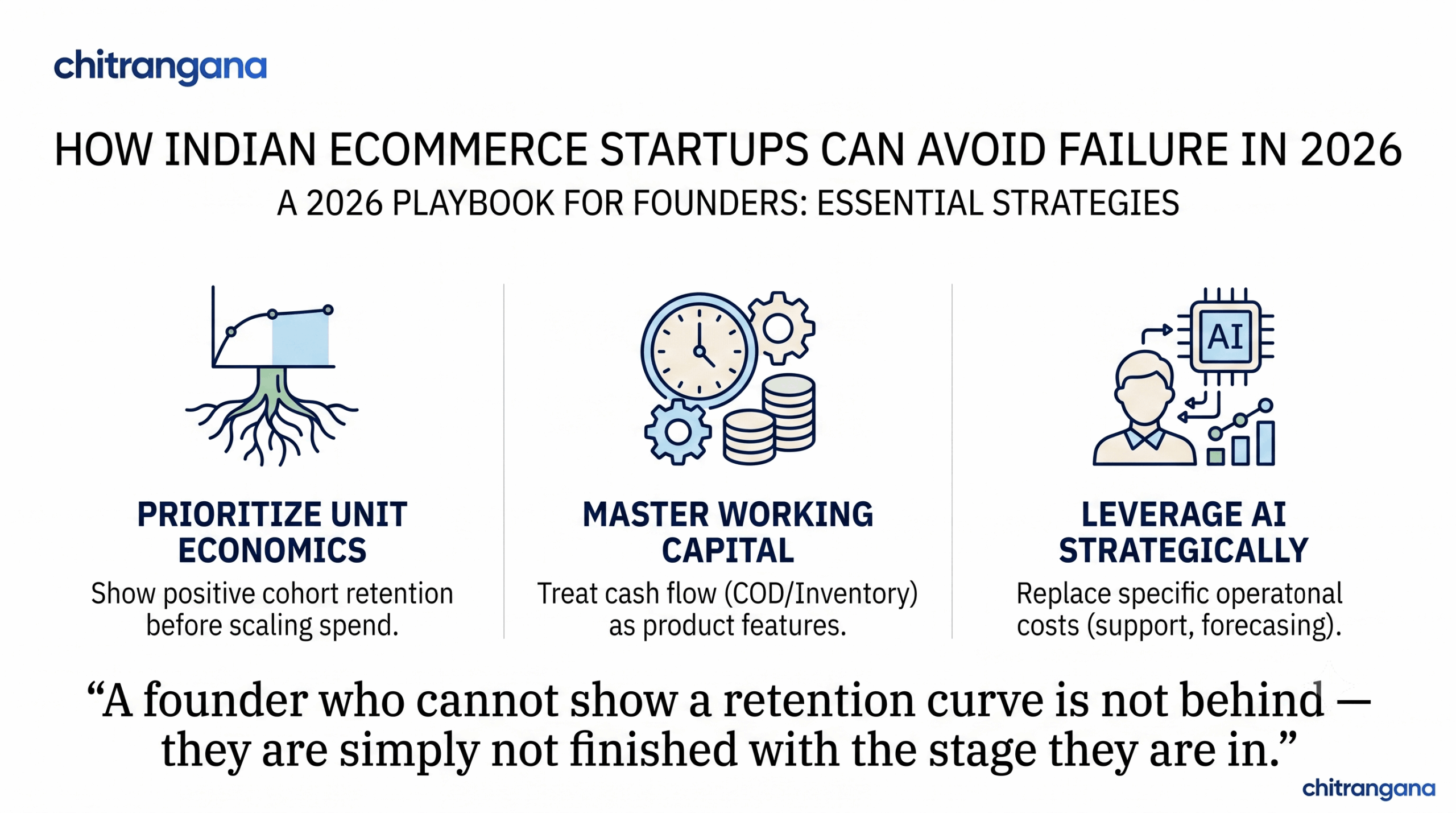
eCommerce startups can grow when large e-commerce players lose focus, face capital pressure, and fail to deliver consistent customer care. The article frames this shift as a structural opening for small and mid-sized startups, especially in India, where online shopping awareness is already established and still rising in double digits each year. Large players carry heavy infrastructure, automation, and profit burdens. They also face rising friction from poor customer support and a growing number of fraud claims, which leads them to treat many complaints negatively.
eCommerce giants has started struggling, Opportunity for small scale eCommerce startups. This is a time to bring specialise stores with personal attention to every customer. Big player are facing problem with funds, infrastructure and profit pressure. The eCommerce awareness is well established and growing in double digit every year so It’s grand opportunity for small to mid level eCommerce Startups
E-commerce in India has started a decline cycle for large projects from July 2015,it’s time for eCommerce Startups. The growth graph has suddenly converted into downtrend due to multiple reasons and competition killing business strategies by serval big e-commerce giants. The primary reason behind sales decline are
 Poor customer support – The customer support policy of all Indian e-commerce players goes against the customer’s expectation, the primary cause of the change of rude behaviour by e-commerce player are doubt on every customer complaint. In last few year, the eCommerce portals faced tremendous growth in fraud claim as respects to same the e-commerce companies started treating every consumer complaint negativiely.
The anti-consumer policy by large e-commerce player now a significant opportunity for the start-ups, as with the manageable number of order the startups can quickly identify the genuine customer problem or the fraud claim. The kind of case rational response can add the most loyal customer to the startup which is a significant capital for the startups.
The big player is facing significant issue with their automation system, technology as everybody is overclocking their internal infrastructure capacity.
Plus, the big stable and big e-commerce venture backed by various fund already lost their ground, and it is tough for raising more capital in the current scenario. The big e-commerce companies earlier more focused on small ticket sales to increase the awareness of online shopping, whereas the new start-ups not needed to invest toward consumer awareness.
We advice to initiate your eCommerce startups with some mentor having knowledge of retail industry or your can explore our ecommerce consultant
Frequently asked
Why do large e-commerce players create space for smaller startups?
How does poor customer support affect the market opportunity for startups?
What is the difference between big e-commerce automation and startup customer handling?
When does the article say the decline cycle for large e-commerce projects began?
Why is customer complaint handling a strategic advantage for startups?
How does market awareness change the startup equation?
What role does capital pressure play in the article's argument?
Why does the article mention retail industry mentors?
What is the risk if a startup copies the large-player model too closely?
Does the article suggest that startup growth depends on more advertising?
What kind of startup is the article favoring: generalist or specialised?
How should a founder interpret the article's view of business model design?
Wondering where your business sits in the commerce shift?
We map how ready you are today — and design the architecture that keeps you the answer, not the afterthought.
Explore our consulting